Project:
2025 - 2026
Playa di Pueblo, Sombra pa Nos
(Designs We Inherit)
Context and Inspiration
In October 2024, Curaçao’s Prime Minister, Gilmar Pisas, announced a development plan for the beaches of Lagun, Jeremi, and Caracasbaai. The proposal featured renderings of ‘modern’ designs with large white and grey concrete walls, open minimalist layouts, starlit dining areas, and uniform rows of white beach loungers.
The designs were met with strong opposition from local residents. Prime Minister Pisas, who campaigned as a man of the people, was accused of ignoring community needs and failing to involve locals in the planning process. Residents expressed concern that the proposed development does not serve their interests and could threaten daily activities like fishing. Many have vowed to protect the authentic character of Playa di Lagun. The community of Lagun emphasises that Playa di Lagun is an important place for local families as well as social activities and recreation.
In response, a petition was launched to halt the development, eventually prompting a public forum where Prime Minister Pisas and Raichel Martina—the engineer behind the renderings—attempted to defend their vision. The event quickly became tense and chaotic, with numerous outbursts from frustrated residents who voiced their deep disapproval of the ‘modern’ redesign and its disregard for the cultural and communal significance of the beaches.
This controversy, echoing a story far too common in the Caribbean, became the spark for my project. I’ve long been passionate about the island’s architecture and infrastructure, and this situation has sparked a renewed urgency to explore how natural public spaces are actually used by local communities, and what kinds of forms and structures might meaningfully support those everyday activities.
Methodology and Approach
This project is an artistic research into how the people of the island of Curaçao connect with the island. With artistic research, I mean the search for new ideas and perspectives by creating art. In the course of the project, I spent six months on Curaçao, from August to January. Exploring, having conversations, researching, dreaming, listening, swimming, eating, walking and translating my experience into new work. Mainly structures and invocations.
Structures
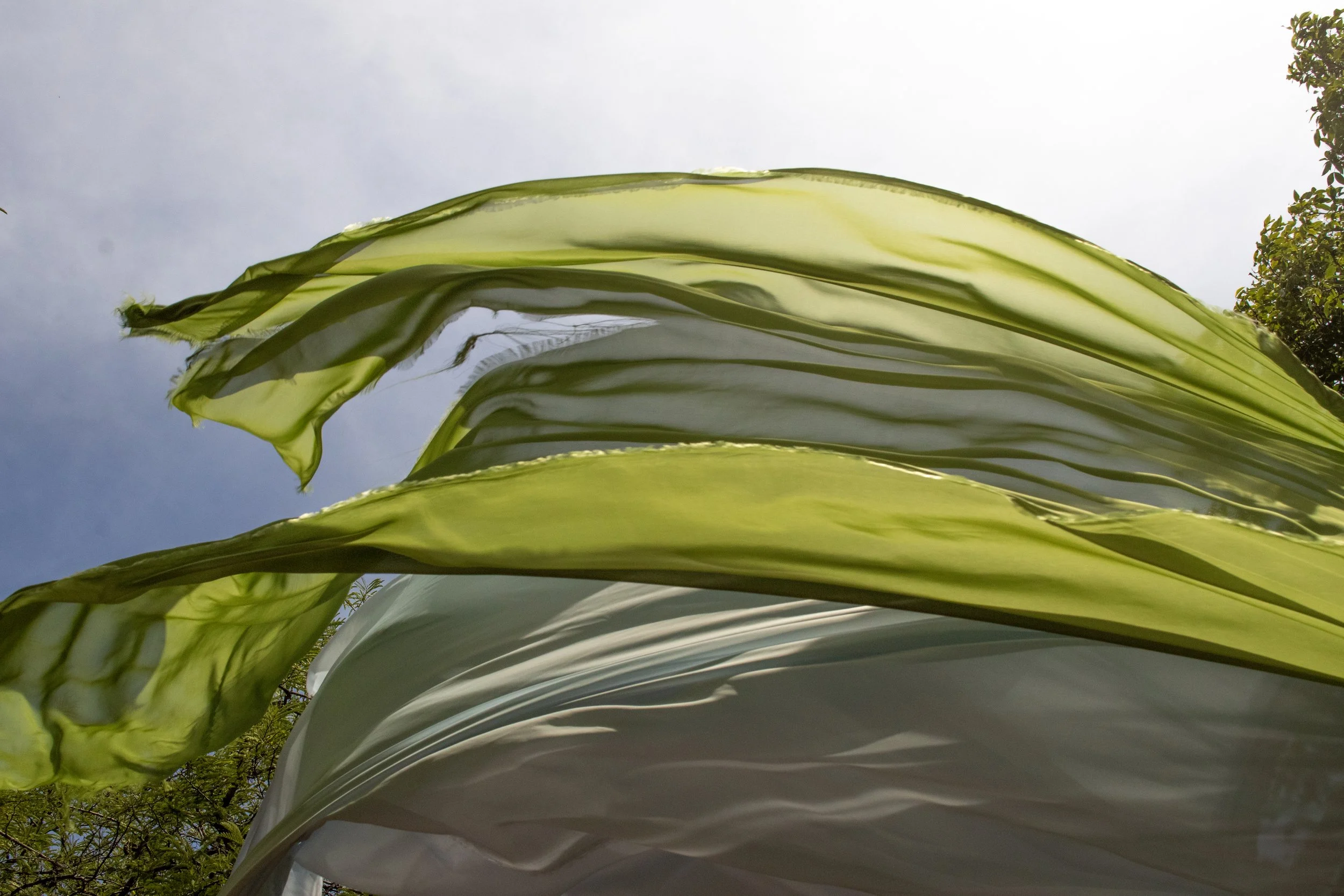
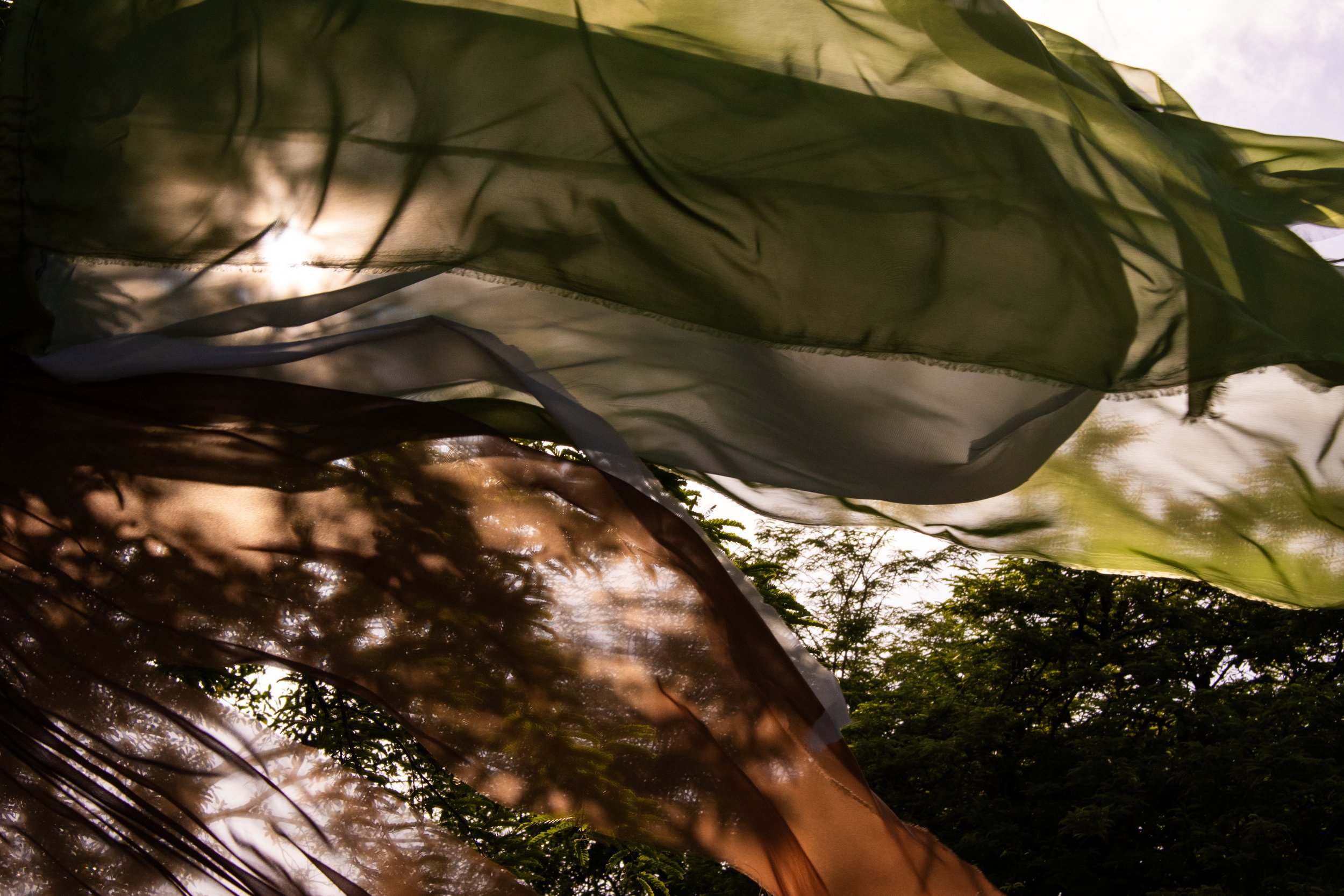
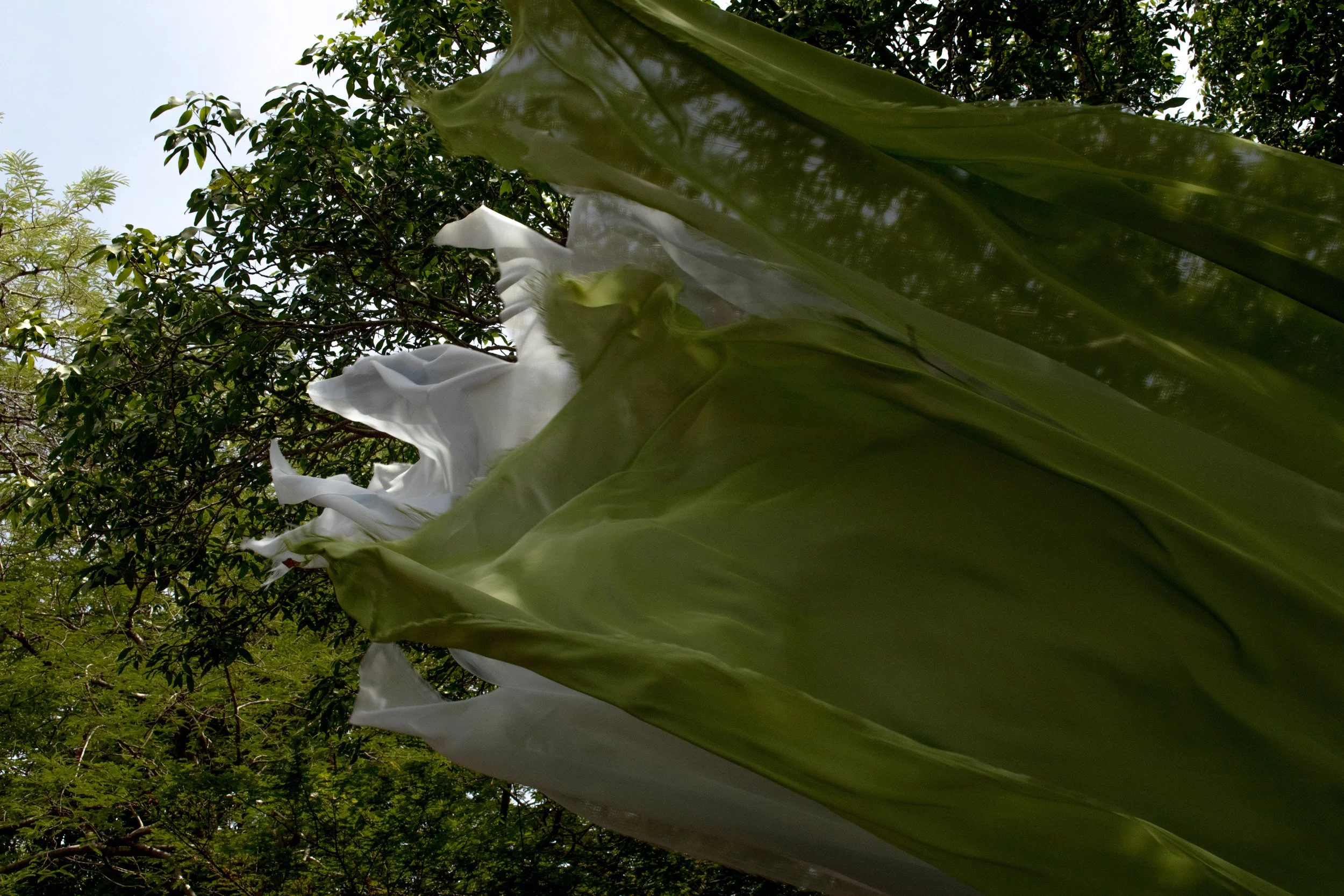
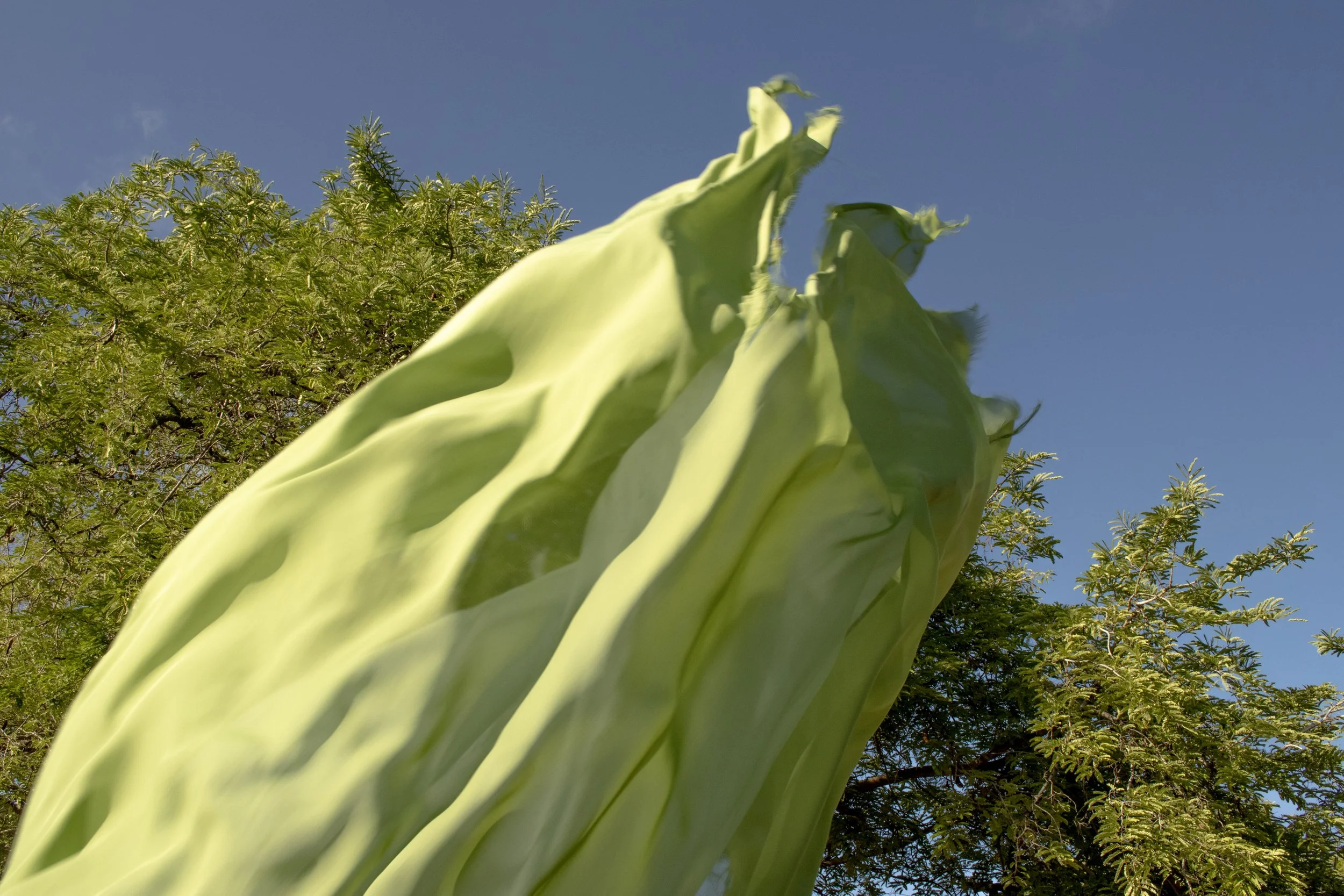
I have previously built fabric tents that have served both as settings for performances, and as sculptures/ installations. Those works were based on Curaçao’s traditional ‘kas di kunuku’. During this project, I started a new series of sculptural forms inspired by the elements of the island. Specifically the the sun, the wind and the sea.
Invocations
A core issue with Pisas and Martina’s proposal was its clear prioritisation of tourism over local life. With this project, I looked at how these spaces are being used, and in response I tried to honor and memorialize the everyday activities that take place there. I want to elevate these acts as sacred gestures, through rituals and performances.
This project continues my ongoing exploration of performance art as a spiritual and political practice. These spells emerge from focused embodied actions, conversations, free association and play. My family was also a big part of my process. It was very important for me as they are a big part of how I experience the island.
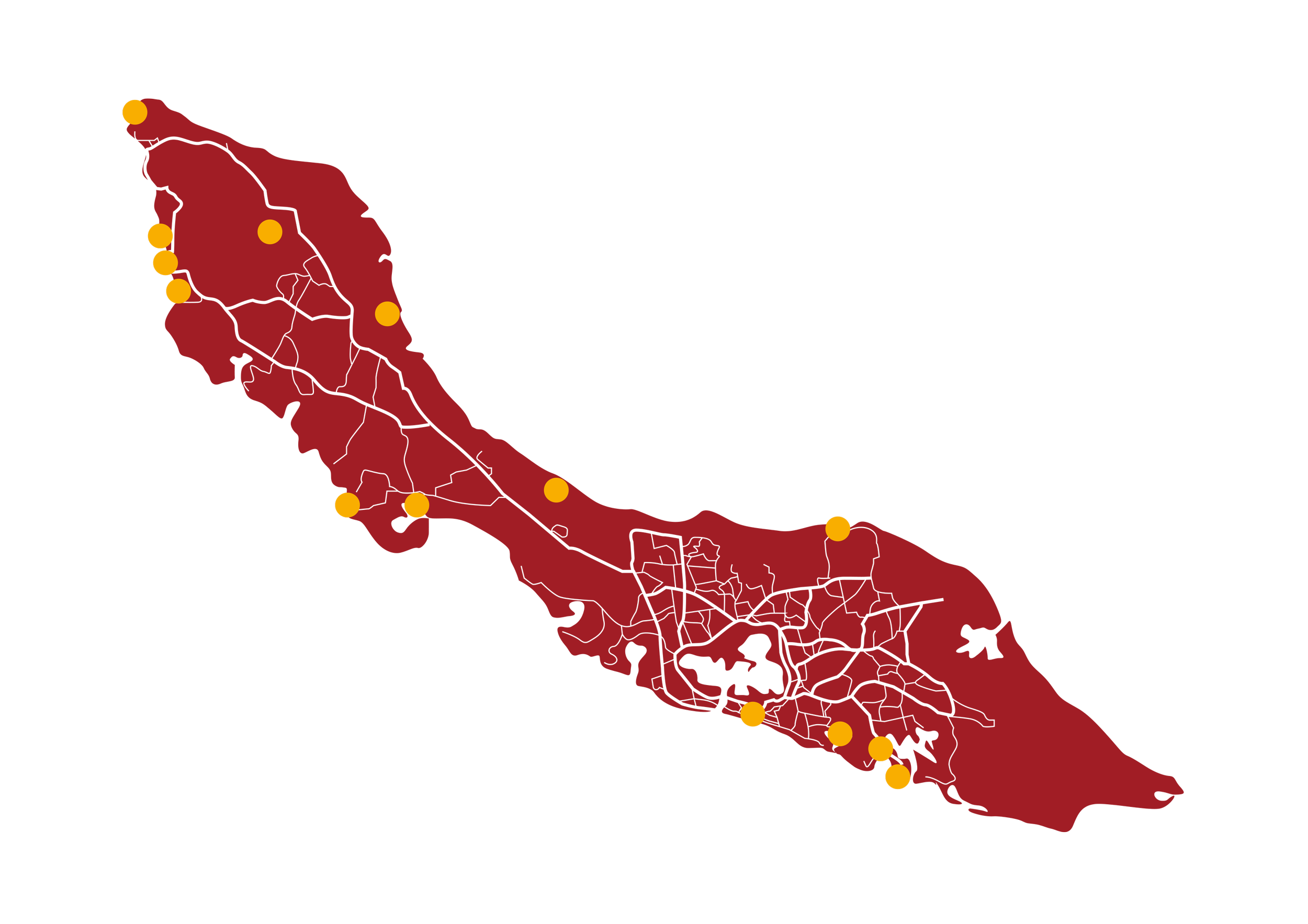
The locations I visited for this project includes:
Playa Forti, Jeremi, Lagun, St Cruz, Daaibooi, St Christoffel, Boka Patric, Saliña Jan Kok, Vlakte van Hato, Playa Canoa, Marie Pampoen, Jan Thiel zoutpannen, Caracasbaai, and Tugboat Beach.
This project was supported by

structures
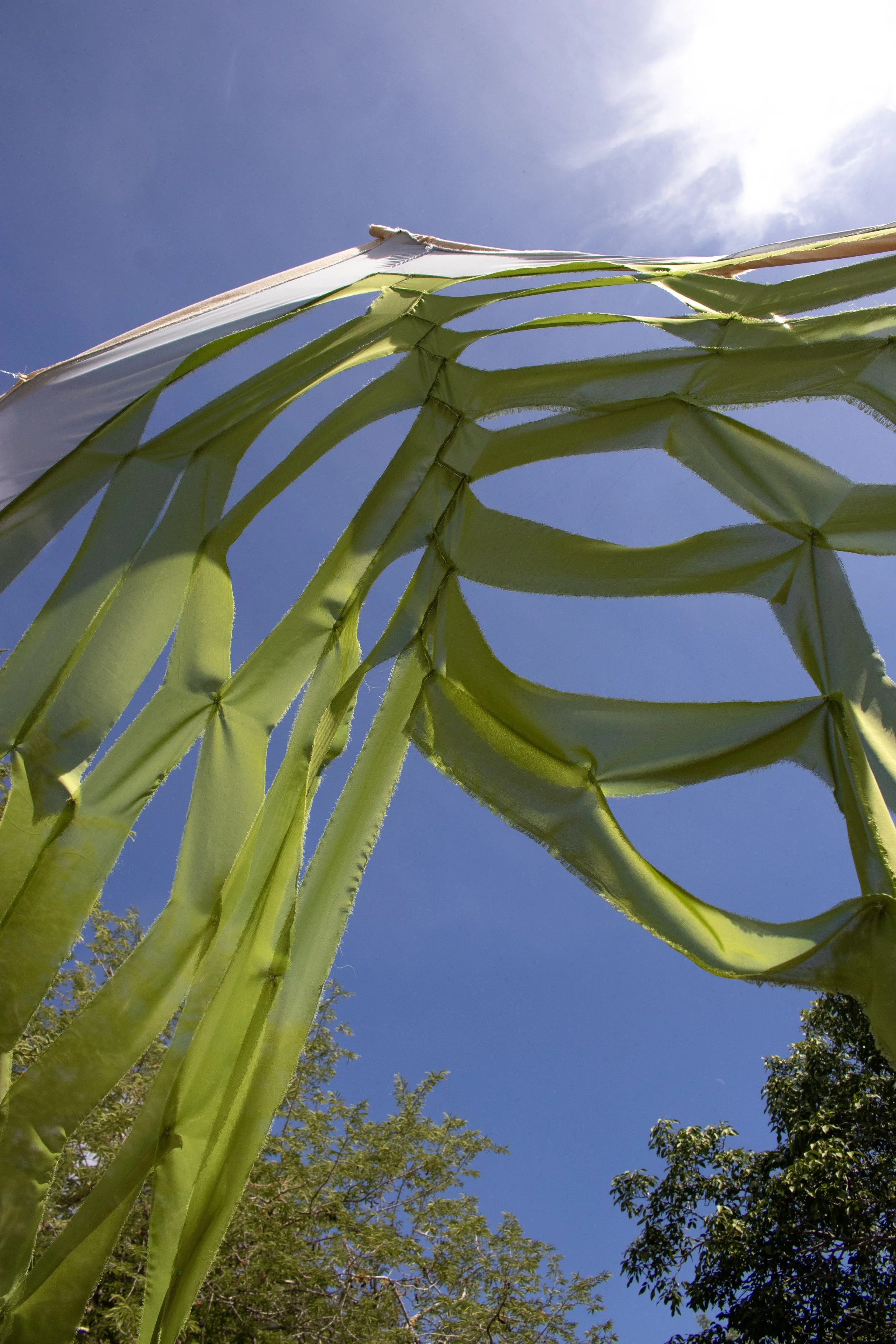
Untitled Structure 1 (Portal)
Model: Jeanisa R
Instituto Buena Bista, Curaçao
Untitled Structure 2 (Hel)
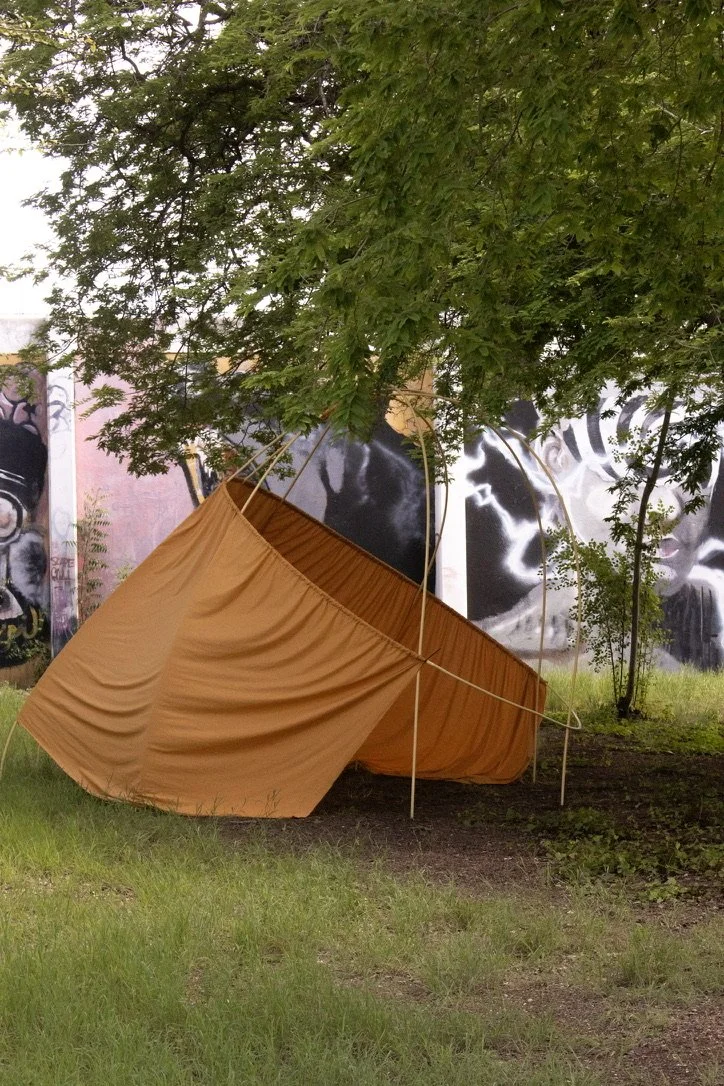
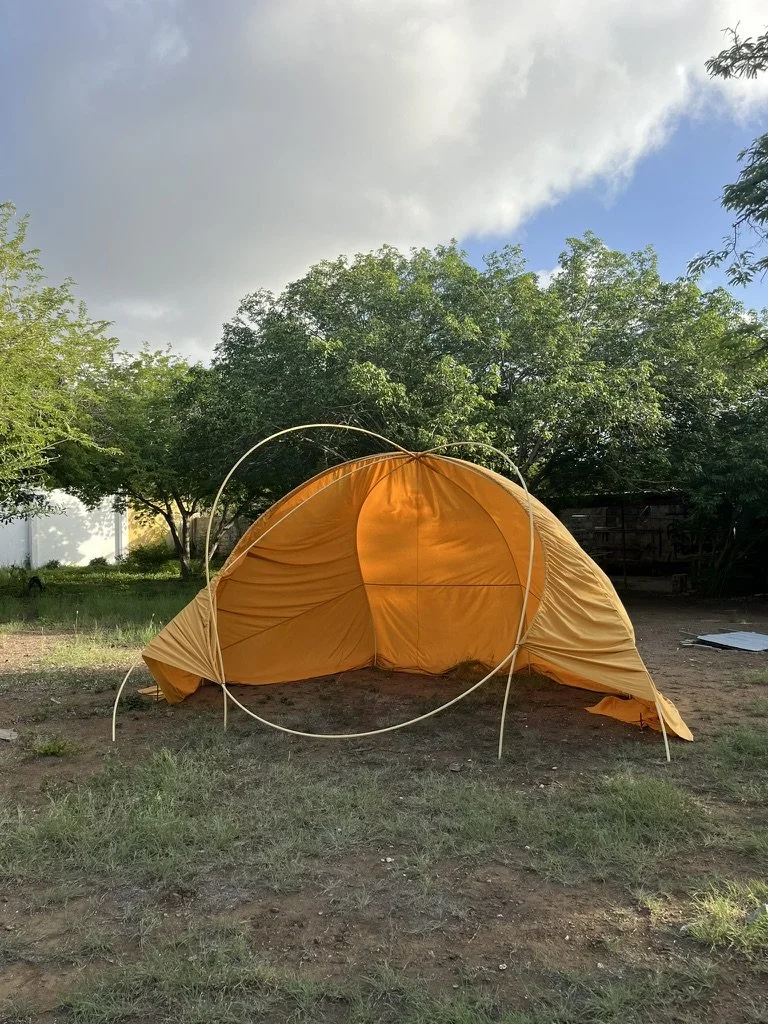
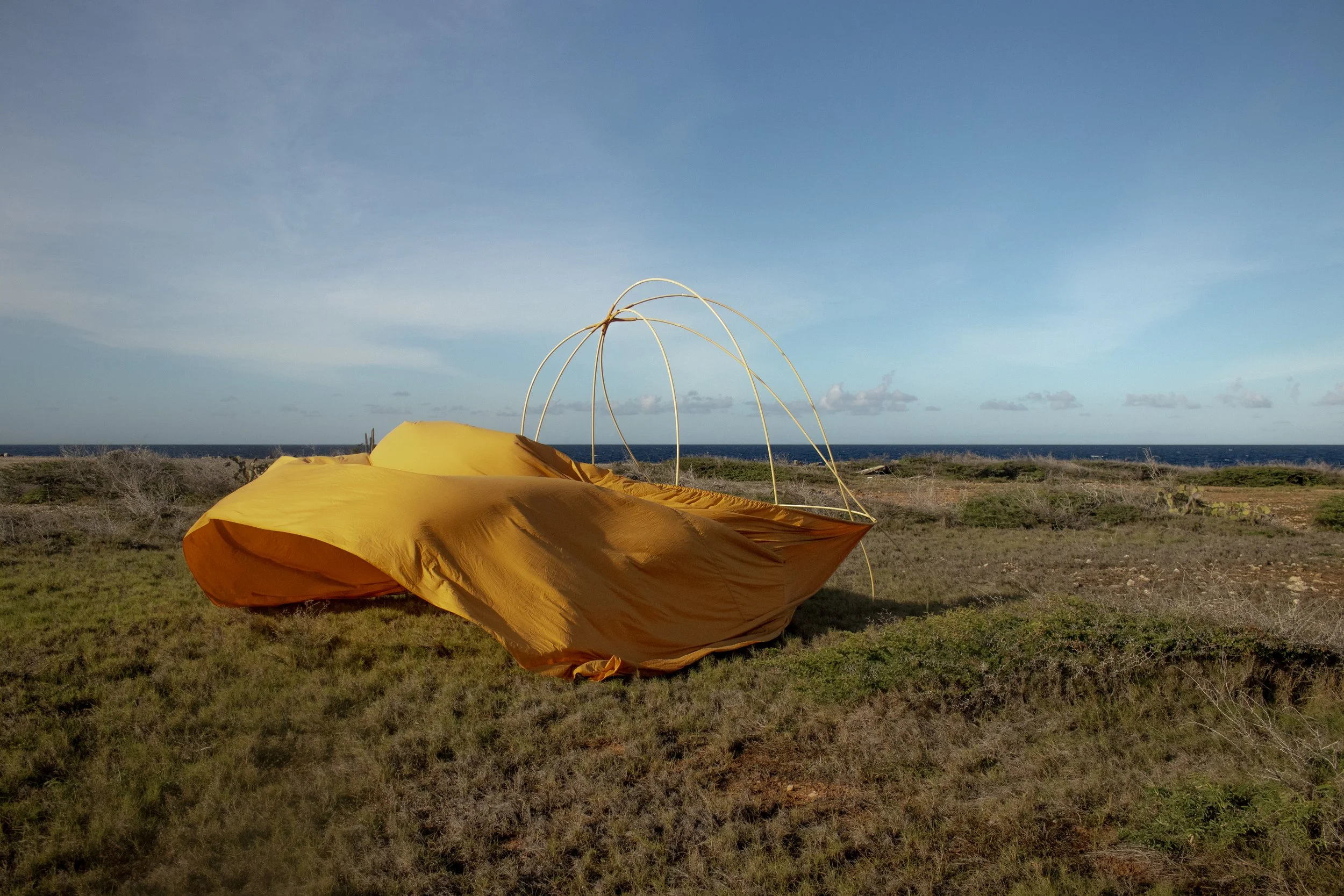
Model: Nieves Geertruida
Playa Canoa, Curaçao
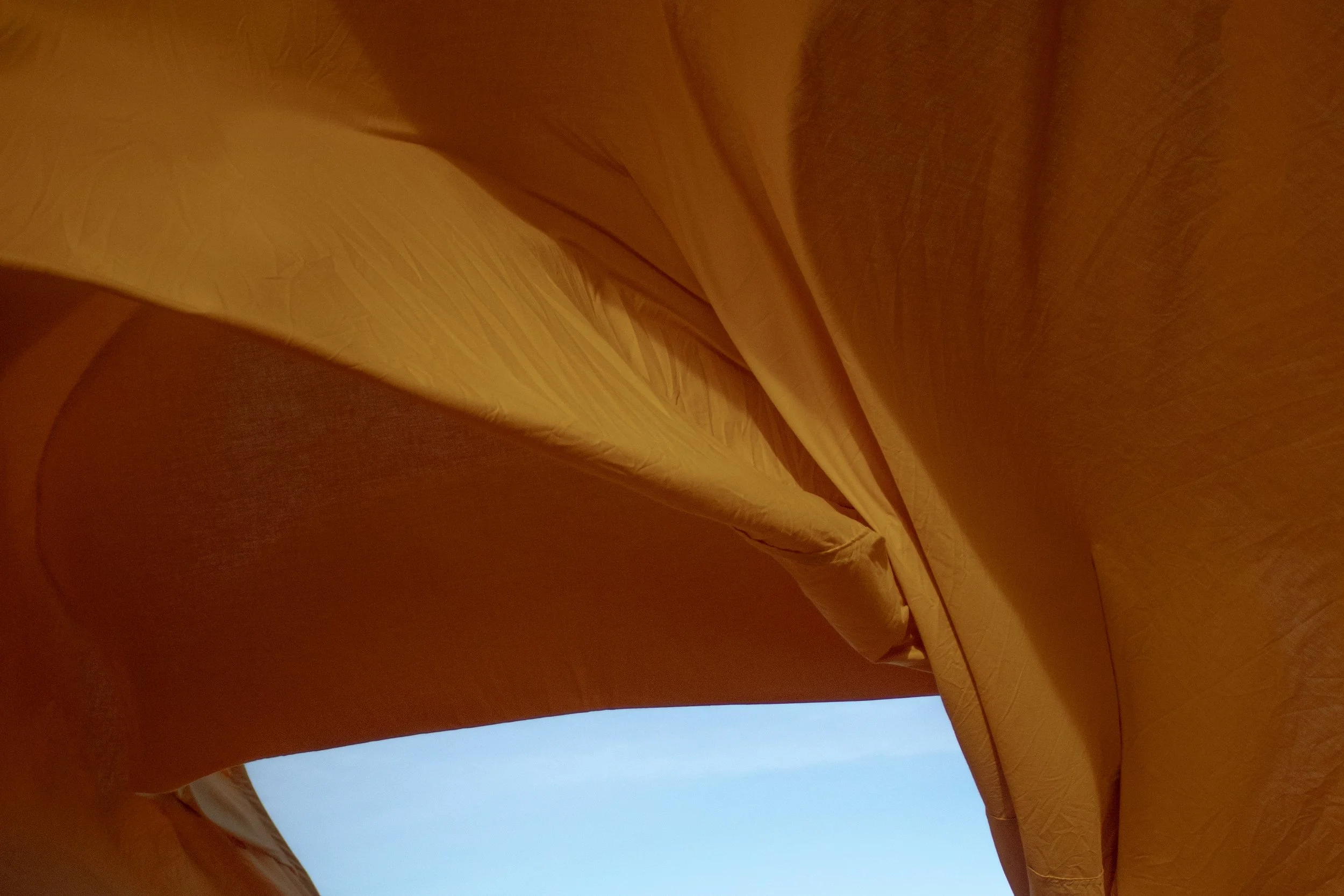
Invocations
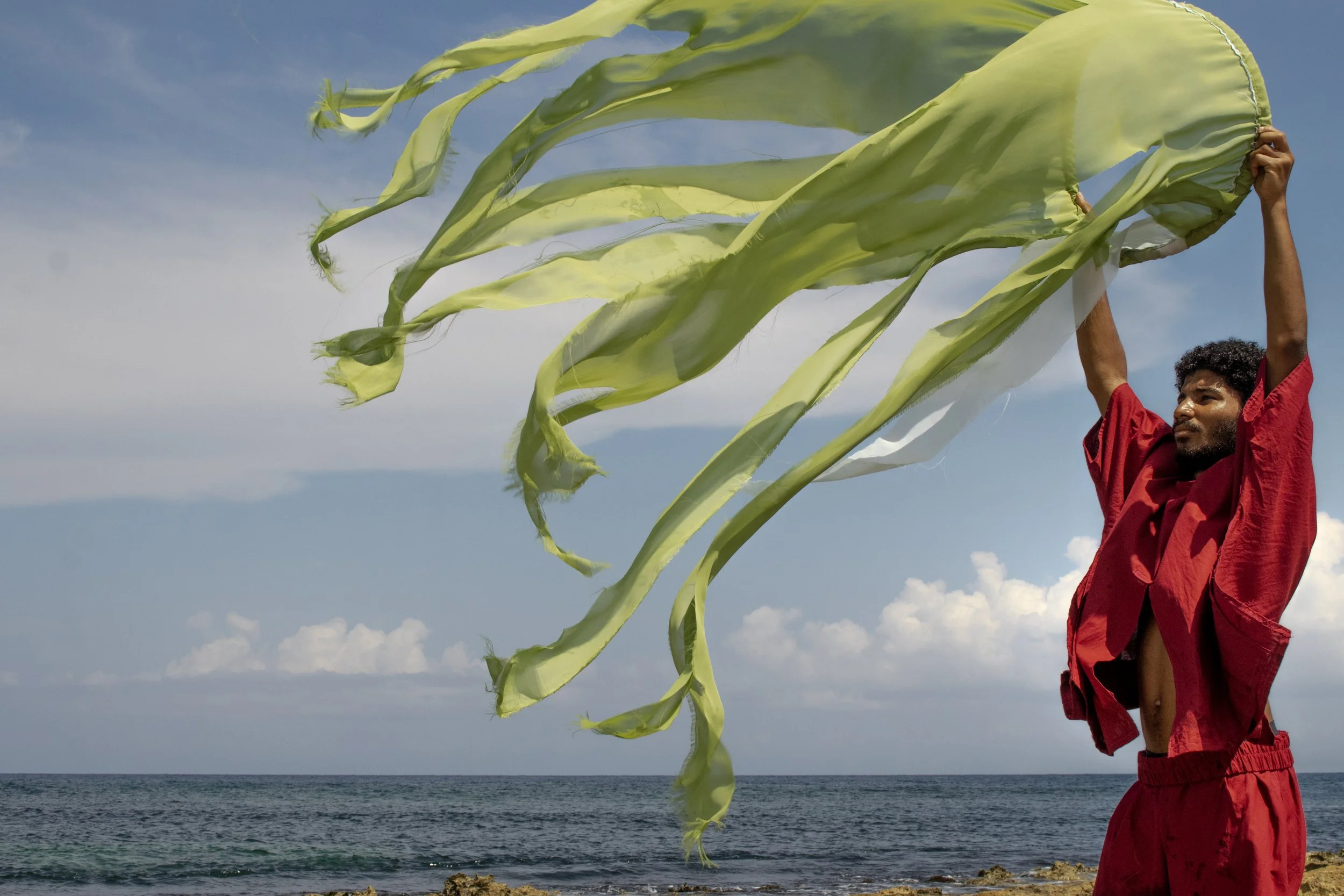
Sigui E Sinta Bèrdè (How to Follow the Wind)
Performer: Guenn Ramon Gustina
Playa Canoa, Curaçao
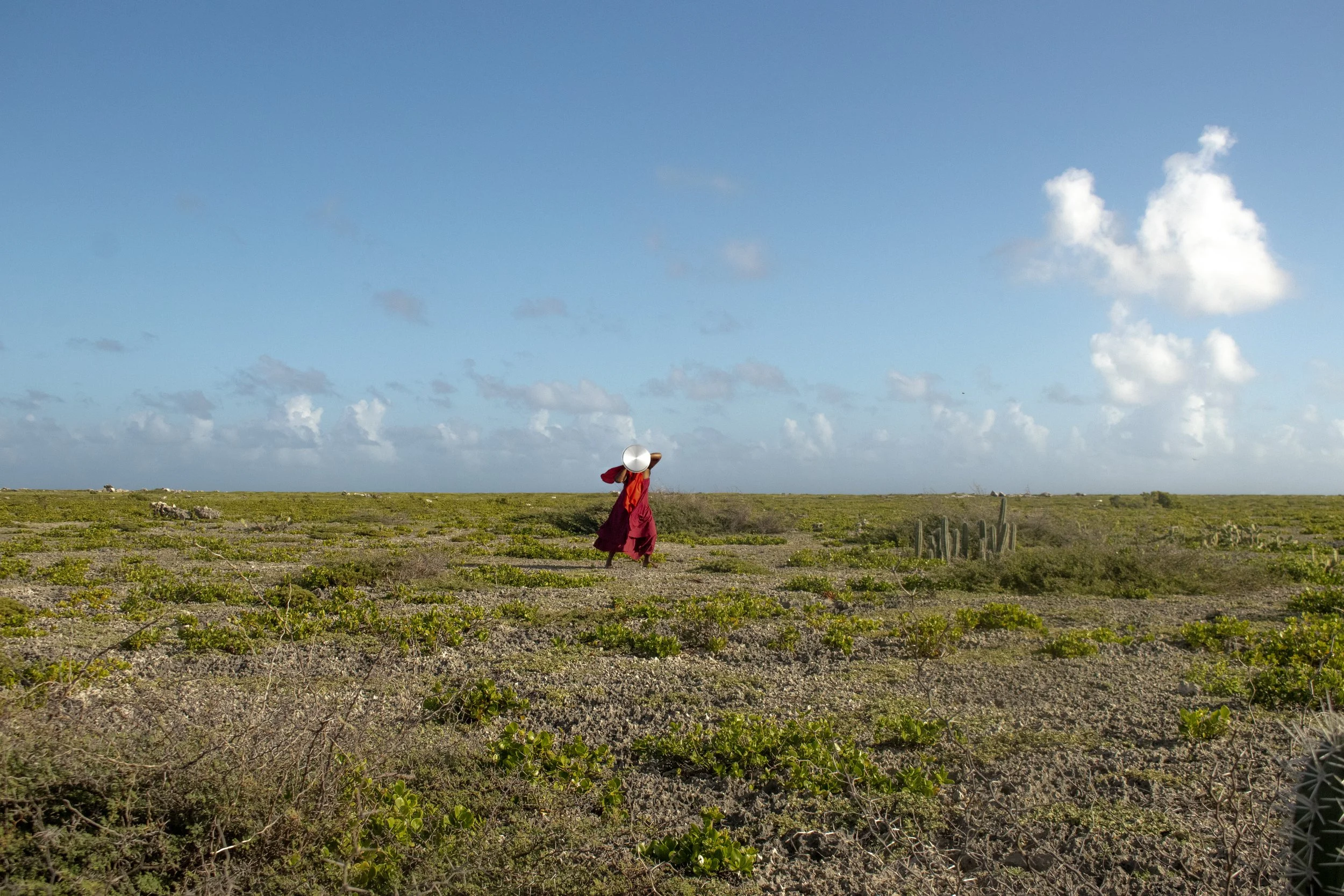
Performers: Travis Geertruida, Crisanta Martha
Vlakte van Hato, Curaçao
Bleki, Kachu ku Solo (How to Reflect)
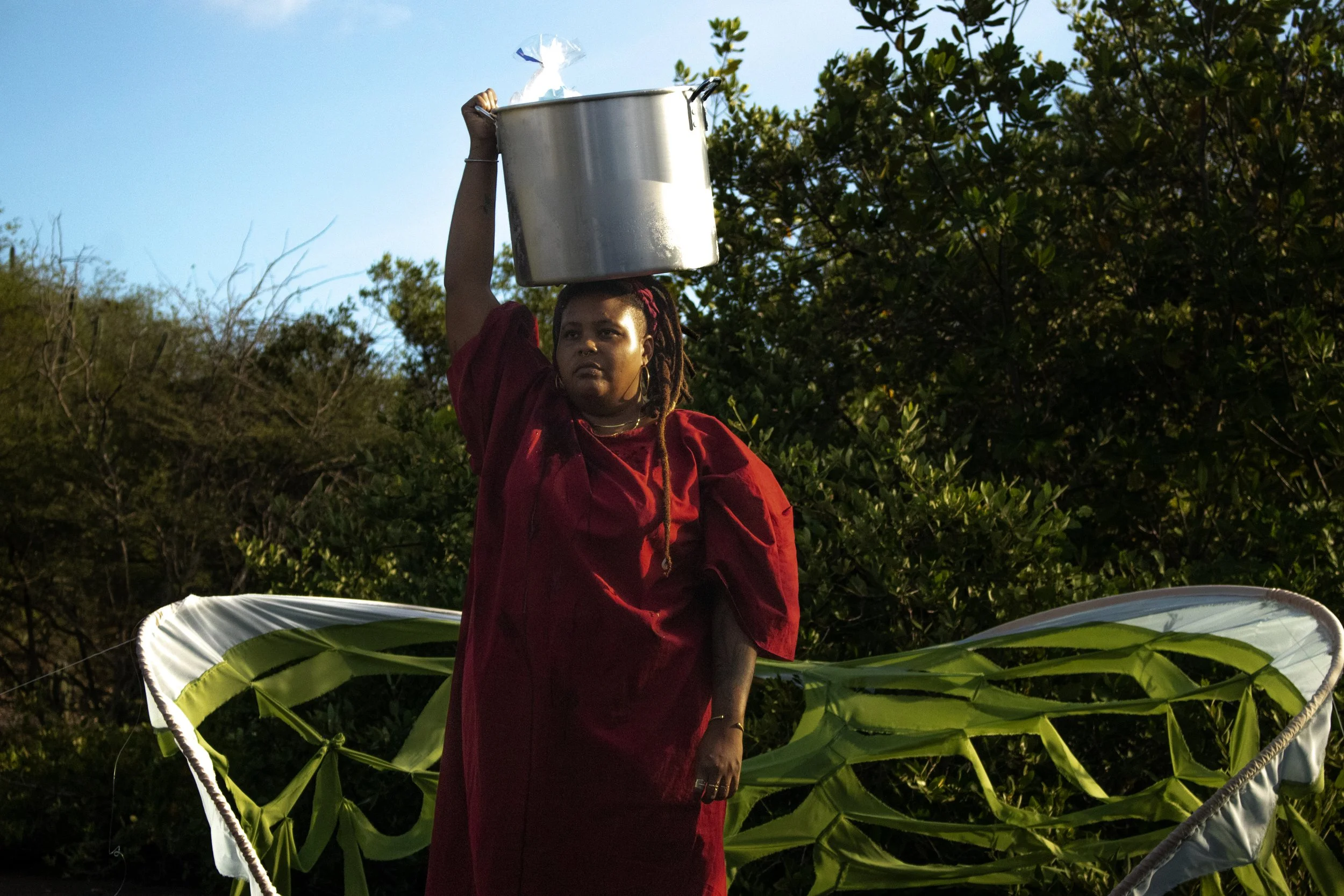
Performer: Nash caldera
Saliña Jan Kok, Curaçao
Dote (Paying for paradise)
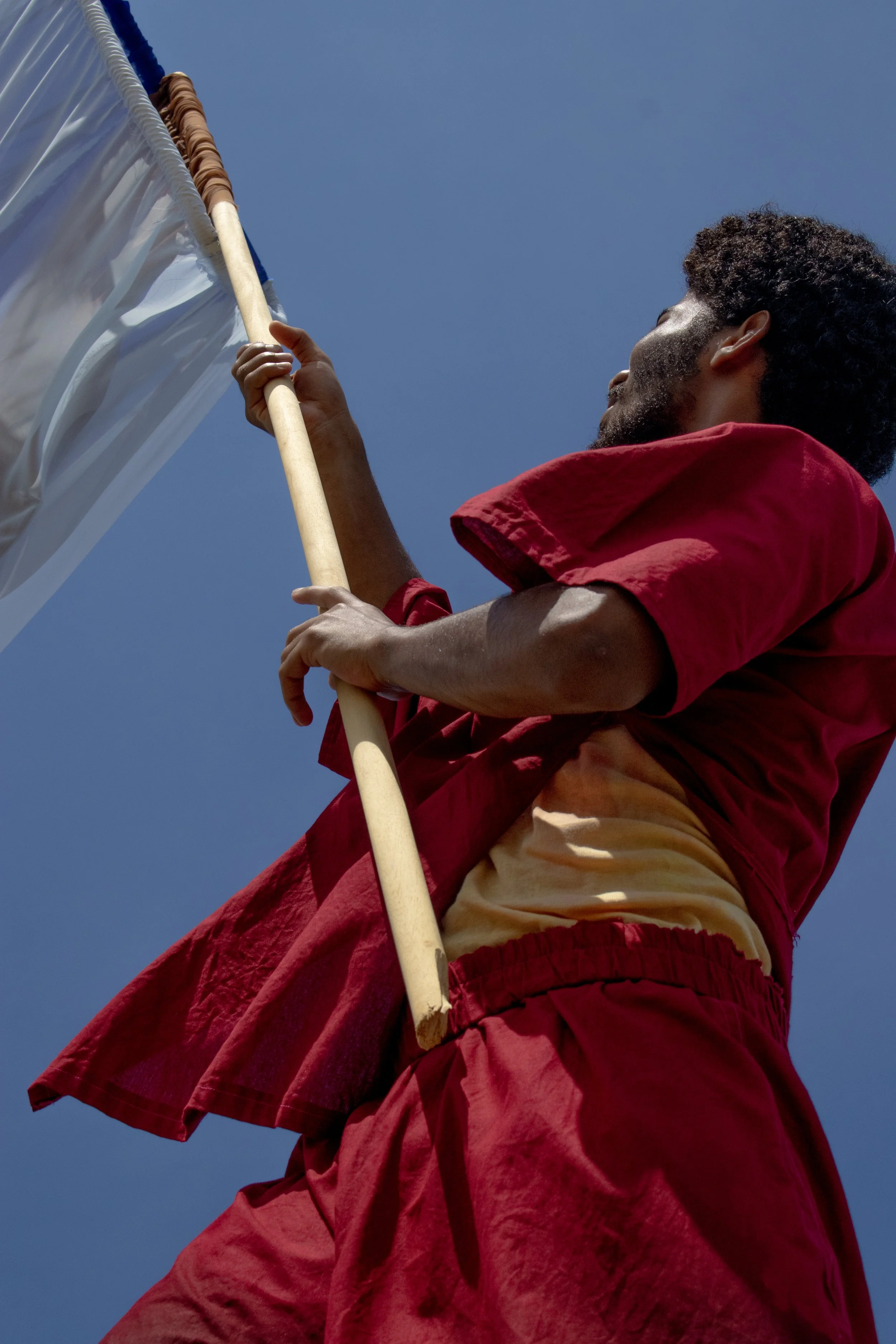
Performer: Guenn Ramon Gustina
Playa Canoa, Curaçao
Cumulus (How to summon clouds)
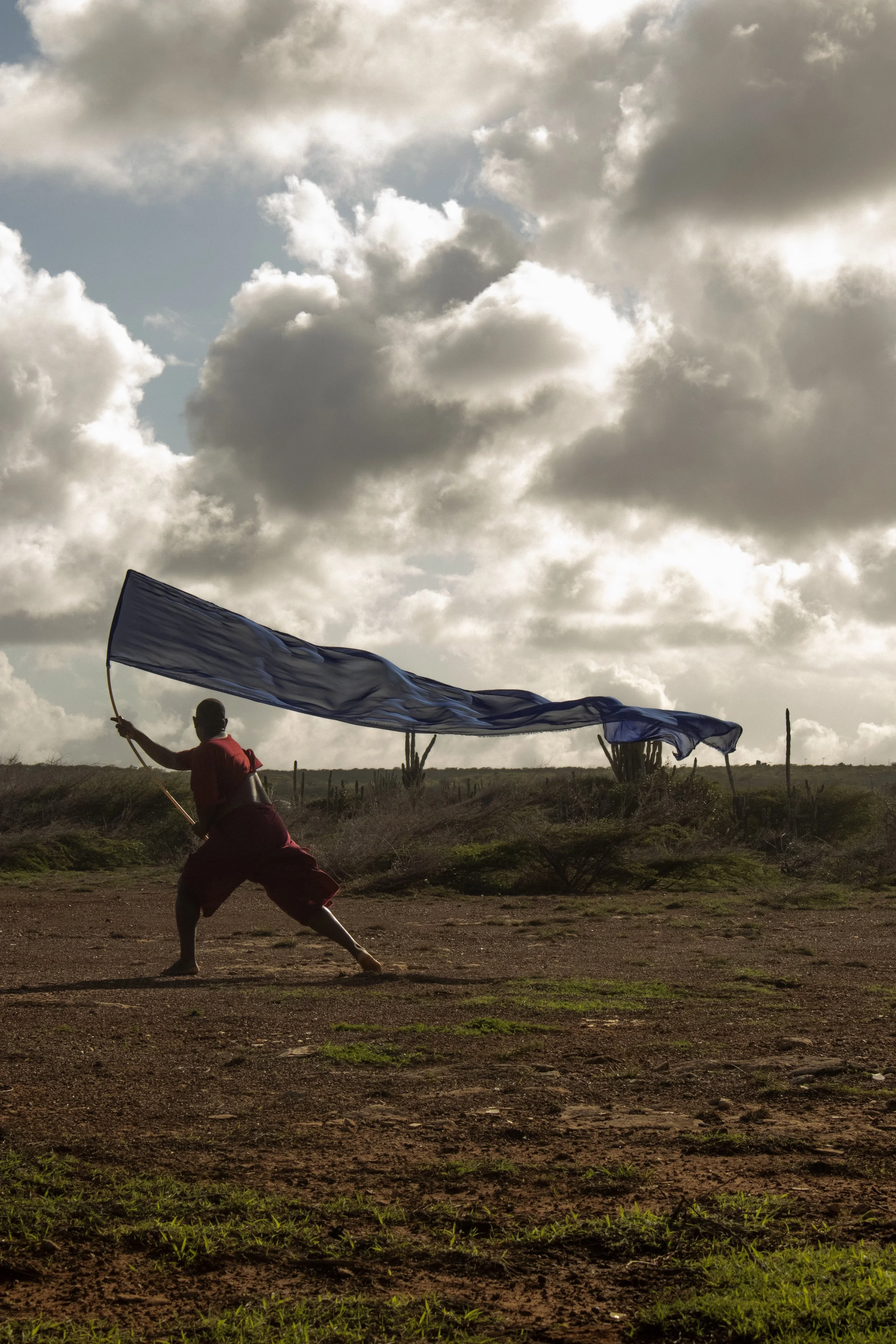
Performer: Travis Geertruida
Playa Canoa, Curaçao
Bientu ku Sinta Blou
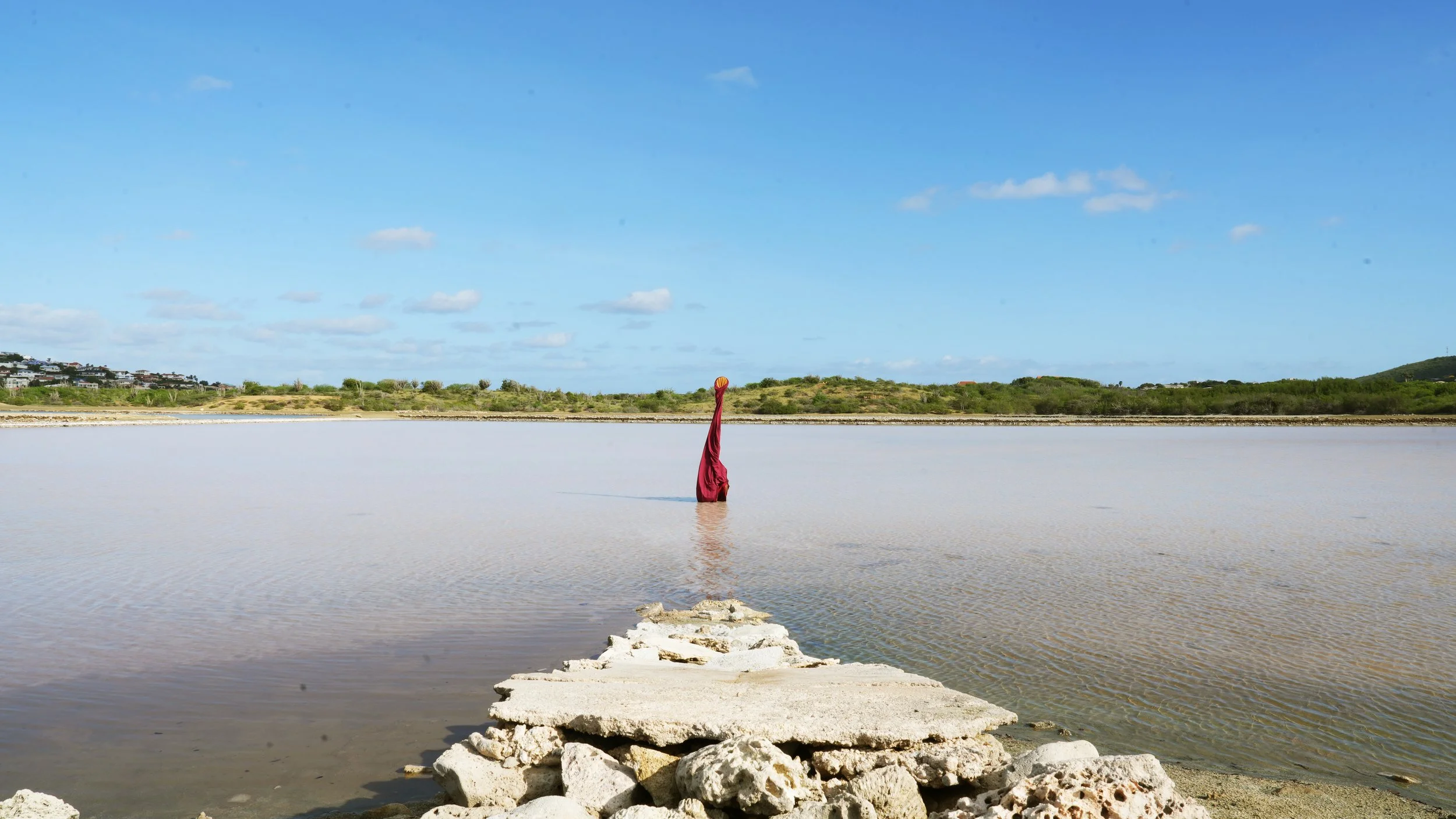
Performer: Travis Geertruida
Jan Thiel zoutpannen, Curaçao
Cyclops (How to thank the Sun)
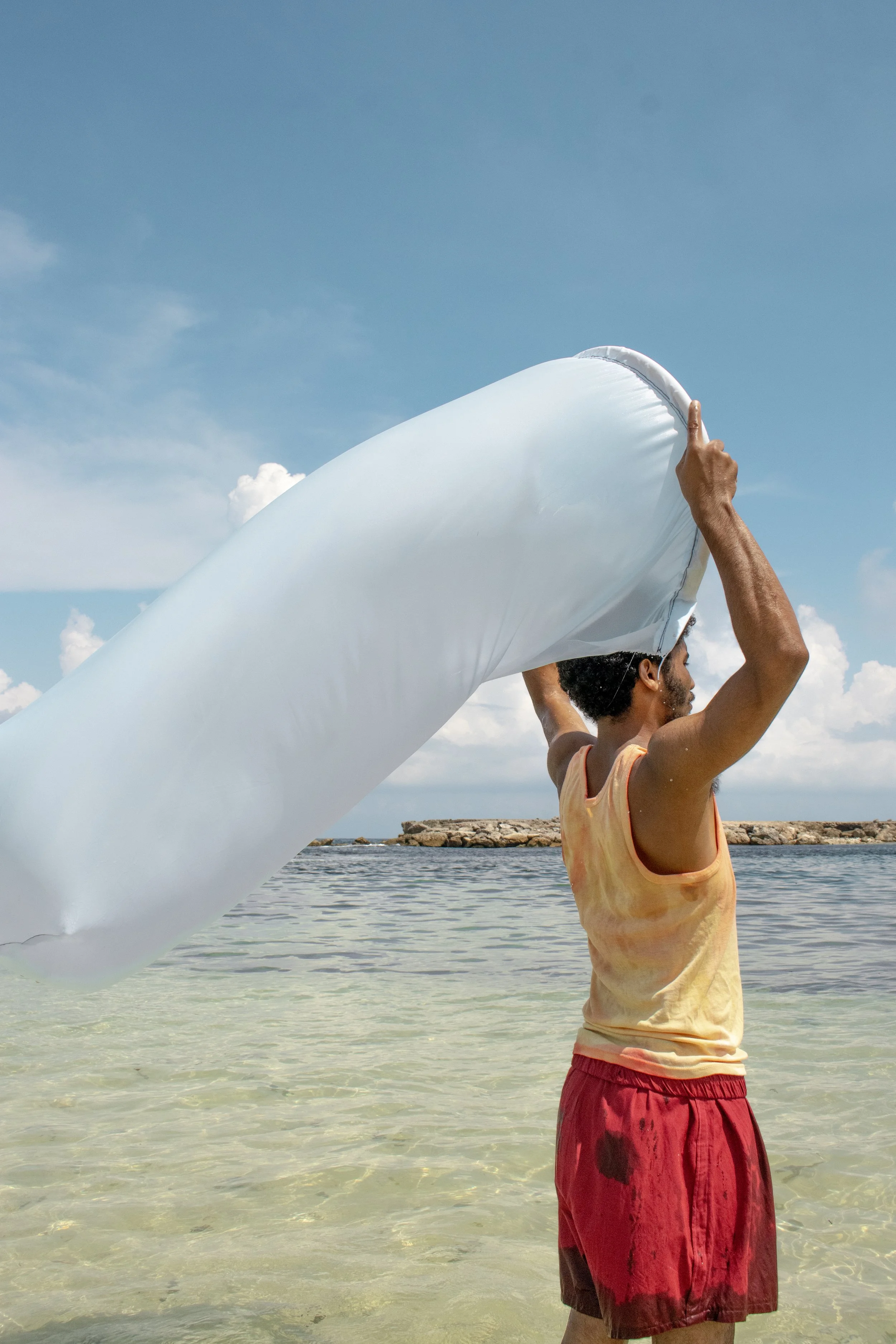
Performer: Guenn Ramon Gustina
Playa Canoa, Curaçao
Piskadó (How To Turn Wind into Water)
Untitled Structure 3 (Hola)
Performers: Rutmila Wilems, Inolva Ignatia, Ilva Ignatia, Nieves Geertruida
Playa Forti, Curaçao